

.svg)
.svg)
Strange Houses of Sleep: An Espresso Shot of A. E. Waite’s Mystical Poetry
By
Corey Andrews
March 15, 2026
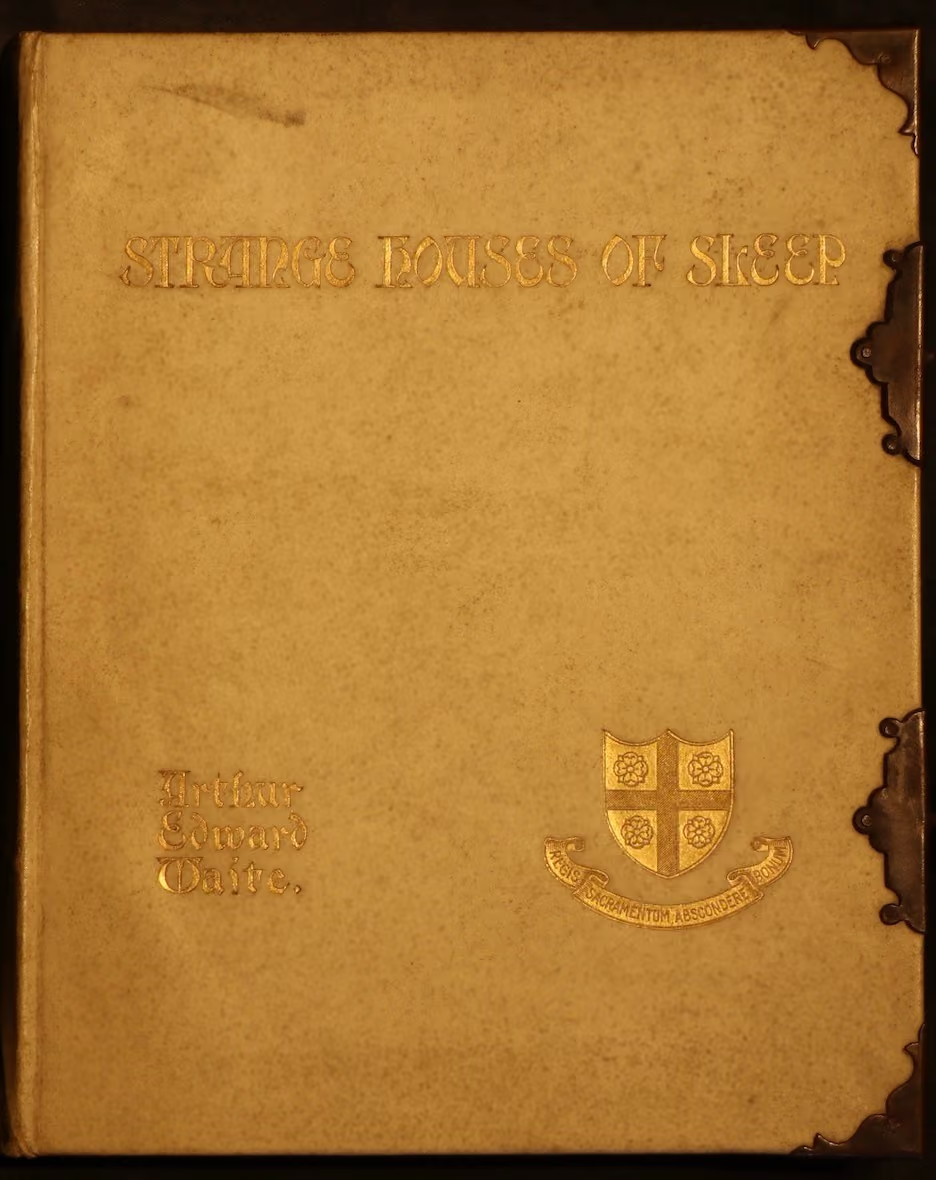
Front cover of Arthur Edward Waite, Strange Houses of Sleep (London, 1906).

Strange Houses of Sleep: An Espresso Shot of A. E. Waite’s Mystical Poetry
Front cover of Arthur Edward Waite, Strange Houses of Sleep (London, 1906).

Strange Houses of Sleep: An Espresso Shot of A. E. Waite’s Mystical Poetry
By
Corey Andrews
March 15, 2026
My January submission to the Codex concerned ‘The Unknown World’, one of the first examples of a historical documenting of Western esoteric traditions, compiled and edited by the great English scholar and poet Arthur Edward Waite (1857-1942). This only scratched a certain surface however, as Waite produced a vast amount of writing in his life – all of which is relevant for the Codex’s consideration.
In fact, in our basement book depot, we have so many titles by Waite that we could likely have titled the newsletter the ‘Codex Waiticus’ and not run out of content for years! While he is considered by many to have been an important early historian and translator of esoterica, he was also a prolific writer of mystical poetry. It is some of his poetry which I have brought for you this month.
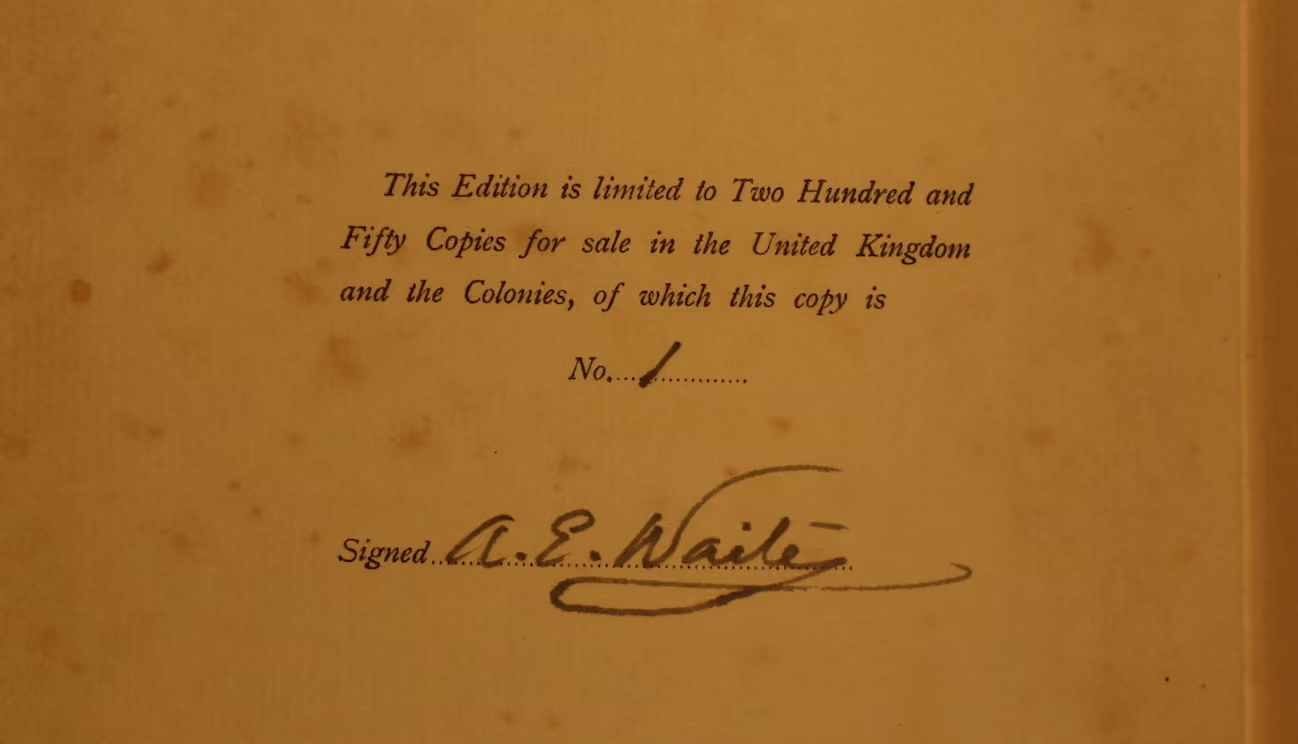
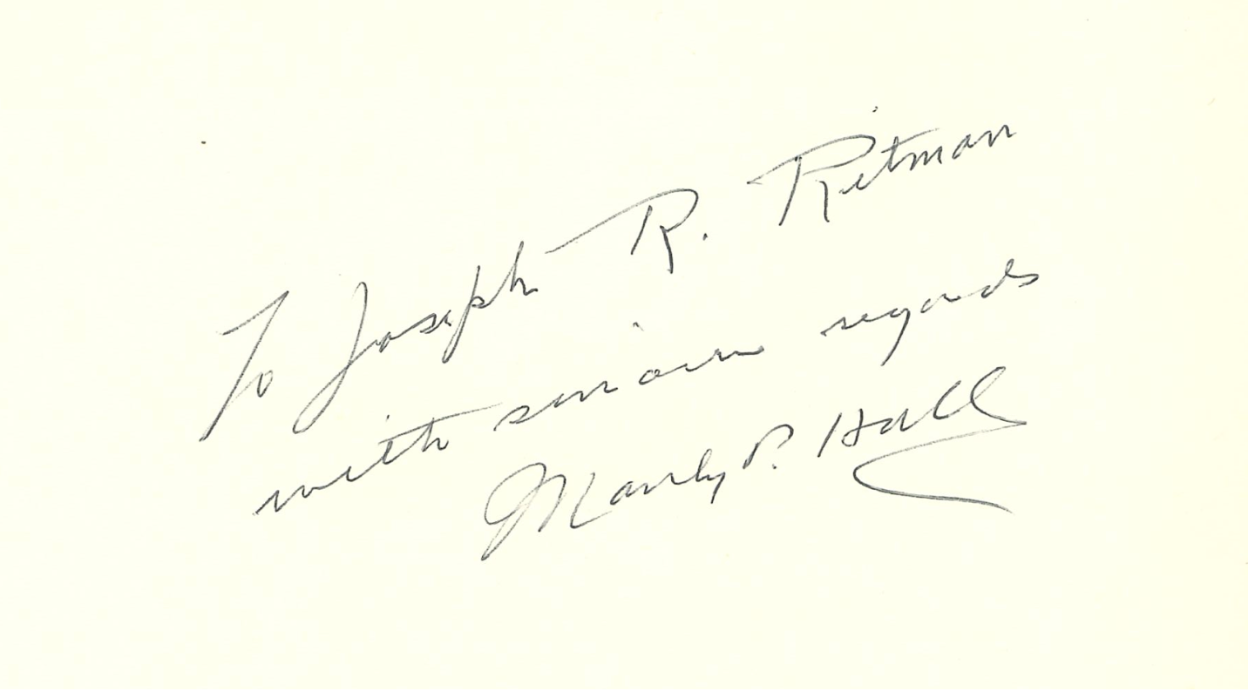
The first work we’ll have a taste of is Strange Houses of Sleep, a book Waite had printed in London in 1906 and limited to just 250 copies. Of these 250, we have four of them – including the very first one, and all of them autographed by Waite himself!
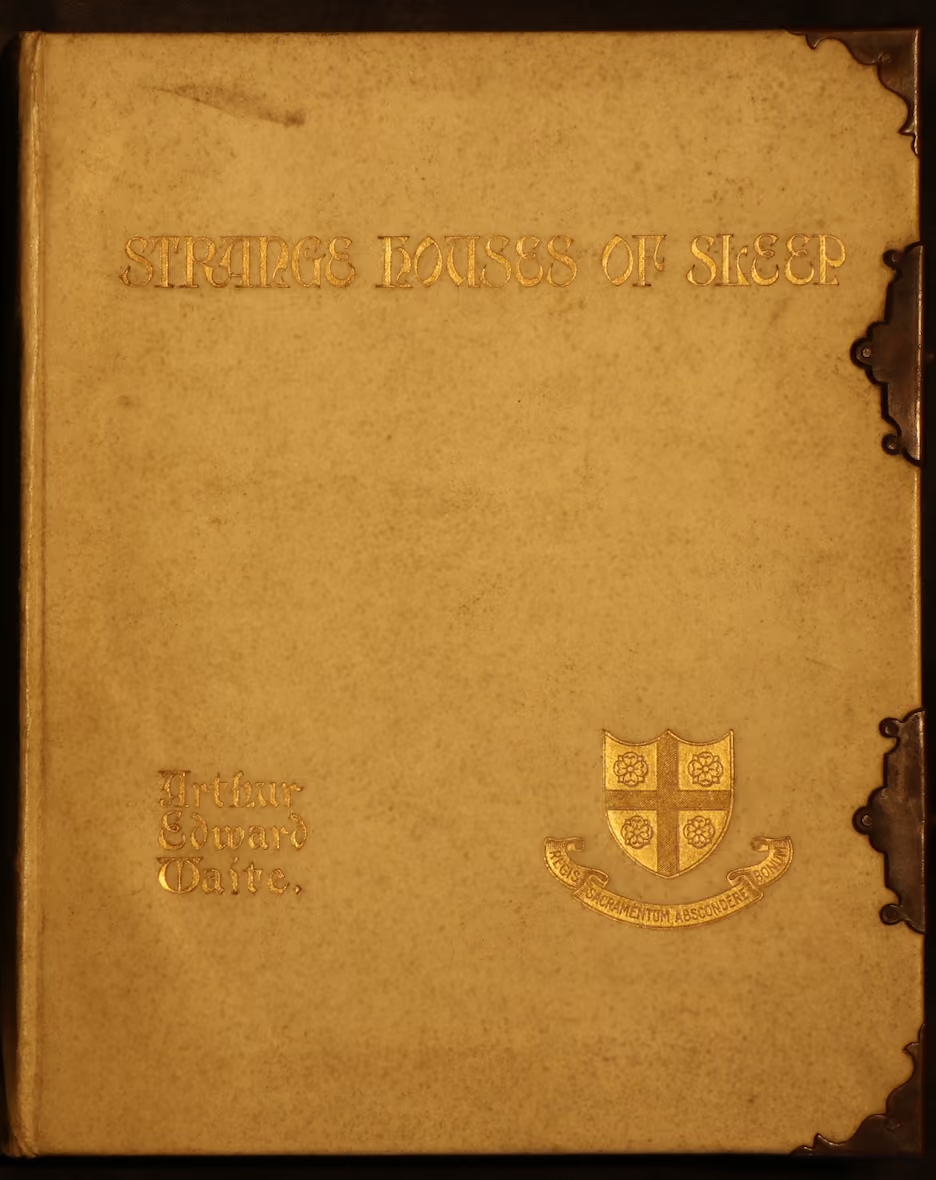
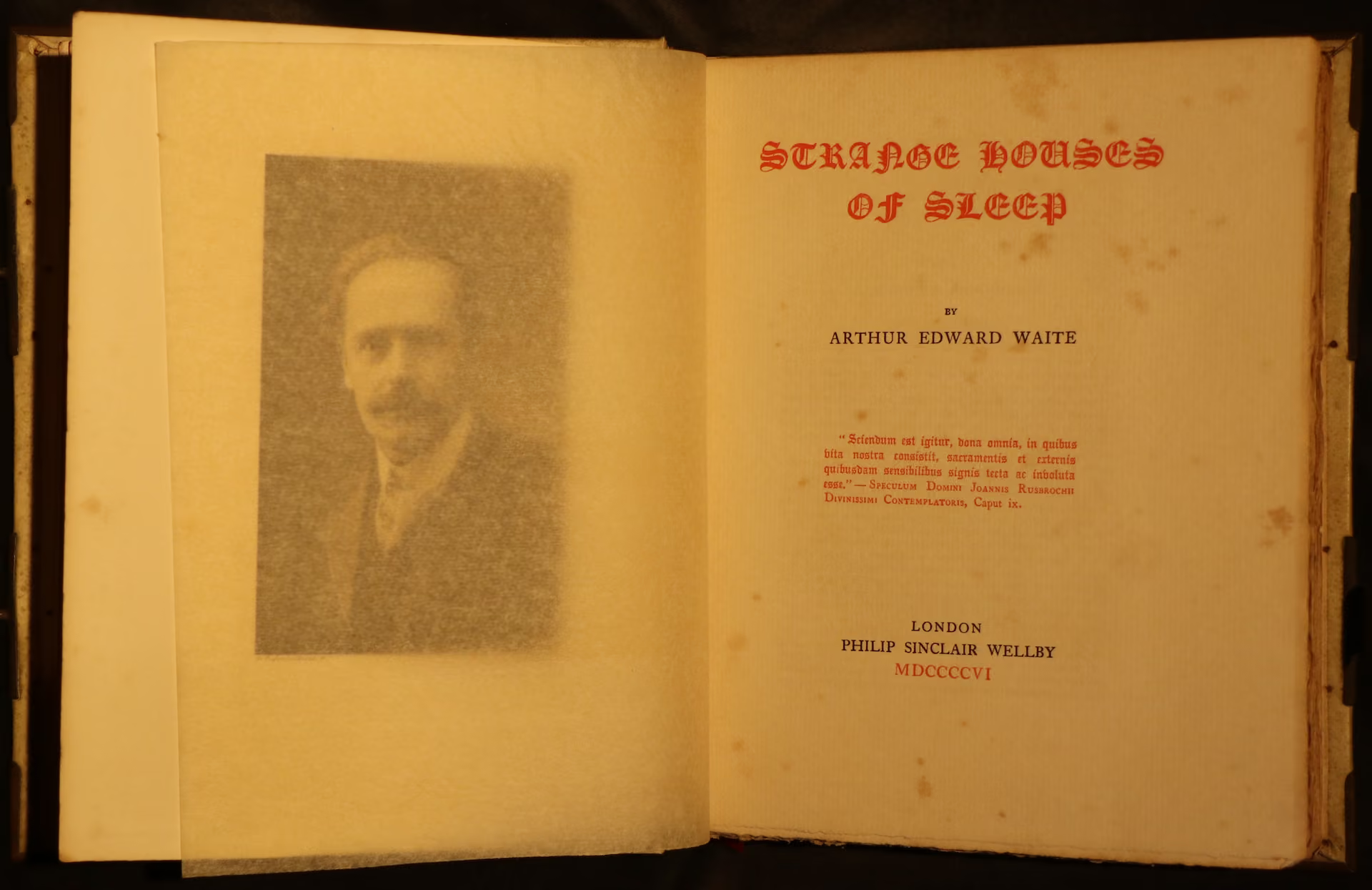
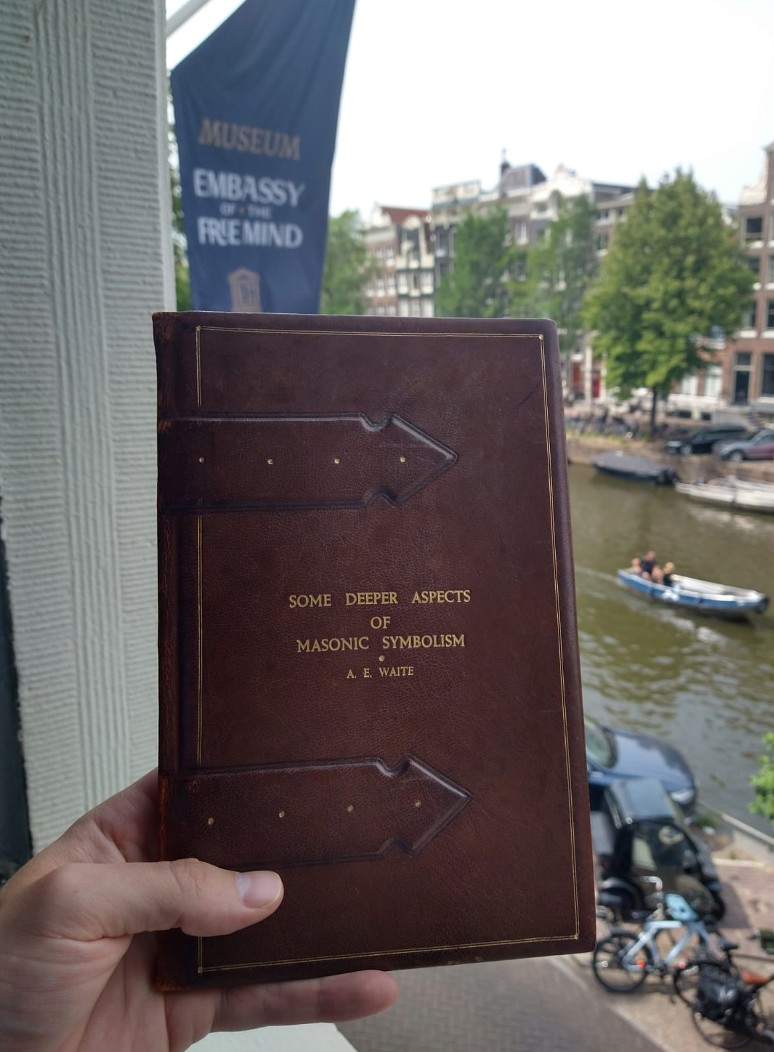
Another thing to admire besides the content is the binding style - all of Waite’s books are beautifully bound. The confluence of all of these factors makes them ideal for the Codex – so if you like this contribution, you can let us know and I’ll consider some of his other titles for future editions of the Codex, titles among which include the likes of:
Poems and Songs of Fairy Land’ (1888)
A Soul’s Comedy’ (1887)
Steps to the Crown’ (1902)
‘Prince Starbeam: A Tale of Fairyland’ (1894)
‘A Book of Mystery and Vision’ (1902)
‘A Mystagogical Quintology’ (1935)
‘The Book of Destiny’ (1912)
‘The Golden Stairs: Tales from the Wonder World’ (1893)
et cetera, et cetera, ad infinitum!
Strange Houses of Sleep
It is very difficult to summarize this magical book. The entire book is written in rhyming verse and ostensibly tells a grand narrative concerning mystic initiation over five parts that the book is divided into - the first part of which is titled ‘A: Ground Plans of the House of Life’ and is concerned with a ‘general thesis of the dream-life’. The other parts are titled as such (with some comments included in brackets from Waite’s description of their contents):
B: Lesser Lights and Broideries of the Veil [A man takes thought of Nature and her sacramental service, discovering after what manner some strange suspensions operate.]
C. Liber Amors Sanctissimae [The Book of the Most Holy Love, a man enters into the essence of the sacramental system, which determines true inferences on validity and quest. Mysteries of seeking, Mirrors of Knighthood.]
D. Legends of the Great Mystery [A man passes through grades and ministries of the world’s legends, which are fables of sleeping men … hauntings of the places of quest – phantoms of vision.]
E. Exalted Doctrines [In which the initiate is exalted and drenched with the greatness and bitterness of the quest. He is conscious of a cloud of witnesses. A man becomes the Keeper of the Lesser Mysteries.]
Searching through the work for a passage worth including here, I ultimately settled on the opening verses. I encourage you to read them aloud! From the opening passage titled ‘The Work of Our Hands’:
Haunted by Memories of his first abode,
Man, in the shadows of this earthly road,
Still vindicates the past his legends claim,
Home is for him the semblance of a name;
And yet with steadfastness – and fighten’d haste –
Something impels to build him in the waste
A temporary house of his own hands –
To overlook the melancholy lands
About his soul inhibited he wrought
A body fitted to the halting thought
Of those who slowly lapse toward troubled sleep,
Praying, if long, it may be also deep,
Yet counting scarcely on a true repose,
Since strife in place of peace their slumber knows.
Thereafter houses of the mind he made --
The House of Love – and Death therein he laid;
The House of Faith – and there a foeman set
Those strange, sad cups which cause us to forget.
Devices also on the walls he wrote
Which when unwrit do nothingness denote
And nothing written. But the House of Pride
High did he raise, and therein magnified
The hopes and works beguiling his distress –
Yet this was void through very emptiness.
So passing thence to where some false lights shone,
He raised up Houses of Ambition,
But through the portals and the windows pour’d
The vacant faces of a spectral horde.
And the soul built with shame the House of Lust,
Where hands on walls write: “Here is also dust;”
And though strange voices crying: “Come away!”
Sound in the darkness, to this latest day
The Transient buildings round about us rise.
One bond connects them in fantastic wise –
Houses of Sleep they are, to anxious dreams
Devoted – semblances of things and themes,
Dim images derived from otherwhere.
Yea, this is also true: the House of Prayer
Is part and parcel of that mystic trance
Through which our Momus pageantries advance
And no one wakes of all whom sense enrings
Only the evidence of secret things
Bears witness in us of a kindling hour;
Through all strange seizures still it speaks with power,
And those most conscious of their sleeping state
Are haply drawing to the waking gate.
Peace on the Houses of their Trance! Unfold,
Dawn, on their tarnish’d eyes, thy wells of gold!
And past all melancholy, clouded lands
Bring tidings of the House not built with hands.

Written by
Corey Andrews
Corey Andrews is a PhD candidate at the University of Amsterdam and a researcher working for the Ritman Research Institute. His research focuses primarily on 17th and 18th century Rosicrucianism and the life and works of Jan Amos Comenius (1592-1670).

.avif)