


.svg)
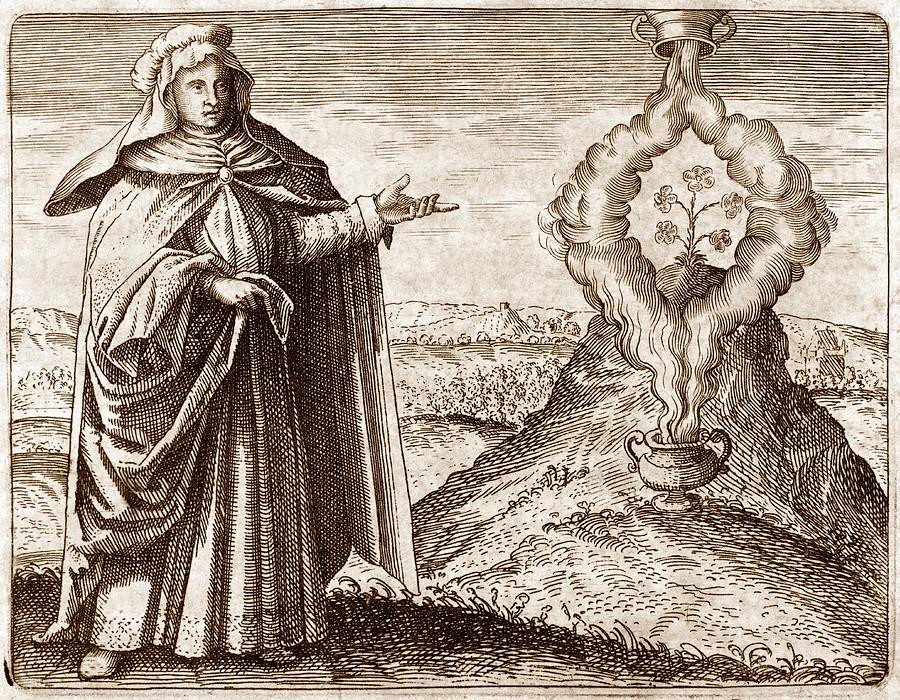
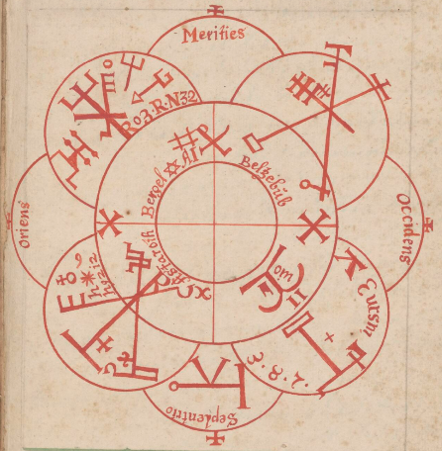
'Speculum Sophicum Rhodostauroticum', Theophilus Schweighardt [Daniel Mögling], 1618.

Who printed the Dutch Fama?
'Speculum Sophicum Rhodostauroticum', Theophilus Schweighardt [Daniel Mögling], 1618.

Who printed the Dutch Fama?
By
Paul Dijstelberge
September 15, 2025
In 1615, the Dutch translation of the Fama Fraternitatis appeared, “Printed after the copy of Jan Berner at Frankfurt, Anno 1615.” The publisher of the translation did not put his own name on the cover. He gave himself away, however, through the use of a decorative initial. It was the Amsterdam printer and publisher Broer Jansz.
Hardly any research has been done on Jansz. He was a publisher who primarily dealt with the latest news; in some publications, he referred to himself as a “Courantier” (news publisher). The fact that he did not put his name on his translation of the Fama does not mean that Jansz was producing a secret, illegal edition. Although printers and publishers at that time were required to put their names on their books, almost no one adhered to this. The press in Amsterdam was relatively free.

That leaves the questions: why did he print this book, and who translated it? The first question is not difficult to answer. Jansz printed the news, and the Fama was, of course, news. Jansz issued many more anonymous publications—so far, fifty editions have been traced that came off his presses without his name on them. Much of that anonymous printing consists of translations, including from German. From this, we cannot conclude that he took the initiative. Much more research is needed to determine how the edition came about.

Jansz did note the provenance of the German original on the title page. It may be that he was in Frankfurt in 1614 and visited the great European book fair there. But it is equally possible that a zealous adherent of the Rosicrucians brought the copy to the printer. A thorough analysis of the publisher’s oeuvre, and an analysis of the style of the text—word choice, spelling, etc.—may provide an answer to an interesting and important question.

Written by
Paul Dijstelberge
Dr Paul Dijstelberge is a librarian of the Bibliotheca Philosophica Hermetica. He is a book historian with over thirty years of professional experience and an expert in all things concerning the printing, manufacturing, materiality, and distribution of books.

.avif)