


.svg)
From the Stars to the Signs: How Ancient Cultures Shaped Astrology
By
Charlotte Zhu
October 15, 2025
'Dendera Zodiac', Temple of Hathor at Dendera, Ptolemaic period, c. 50 BCE.

From the Stars to the Signs: How Ancient Cultures Shaped Astrology
'Dendera Zodiac', Temple of Hathor at Dendera, Ptolemaic period, c. 50 BCE.

From the Stars to the Signs: How Ancient Cultures Shaped Astrology
By
Charlotte Zhu
October 15, 2025
When we think of astrology, many imagine the zodiac signs familiar from magazines or apps. But the story of astrology’s beginnings is far richer — stretching back thousands of years before the Greeks gave it the form we often recognize today.
Mesopotamia: Reading the Skies for the State
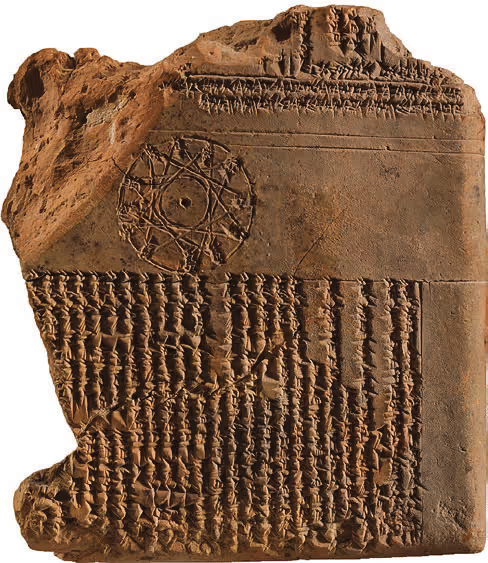
The earliest known form of astrology originated around 2000 BCE in Mesopotamia, now located in Iraq. People believed that the movements of the Sun, Moon, and planets carried messages from the gods. Because of this, astrologers held important roles in society, serving the state by carefully recording celestial events.
One of the oldest collections, Enuma Anu Enlil, was written on about 70 clay tablets. It connected cosmic events — like eclipses, comets, or unusual weather — to what might happen on Earth. For example, a lunar eclipse could be seen as a warning of famine or political unrest.
Later, between 652 and 61 BCE, Mesopotamian astrologers compiled the Astronomical Diaries. These clay tablets tracked the daily movements of planets and also noted politics, wars, and even crop prices. This systematic record-keeping transformed astrology: no longer just observation, but prediction. By the 5th century BCE, the familiar twelve zodiac signs were already in use, and astrology had shifted from focusing only on nations and kings to also including the destinies of individuals.
The gwich'in atlas: Place names, maps, and narratives - Scientific Figure on ResearchGate.
Egypt: The Invention of the Decans
Meanwhile, in Egypt, a parallel tradition was growing. Around 2100 BCE, Egyptians developed the idea of “decans” — divisions of the sky into 36 parts, each spanning ten degrees. Each decan rose at the horizon just before dawn for ten days, helping people measure time and mark the year.
By the 3rd century BCE, these decans had been linked to zodiac signs and planetary positions. Over time, this system influenced later ideas like the twelve “houses” of astrology, which assign different life areas — such as family, career, or health — to positions in a birth chart.

The Hellenistic Fusion
Astrology as we know it today took shape during the Hellenistic period, after the conquests of Alexander the Great (334–323 BCE). His empire connected Greece, Egypt, Mesopotamia, and beyond, creating fertile ground for knowledge exchange.
A key figure in this story is Berossus, a Babylonian priest from the 3rd century BCE. He brought Mesopotamian astronomy and astrology to Greece, where it blended with local philosophy and mathematics. Greek thinkers like Hipparchus applied Babylonian methods to their own studies. They refined the zodiac, developed systems to calculate planetary movements, and connected astrology with philosophical schools such as Stoicism and Platonism.
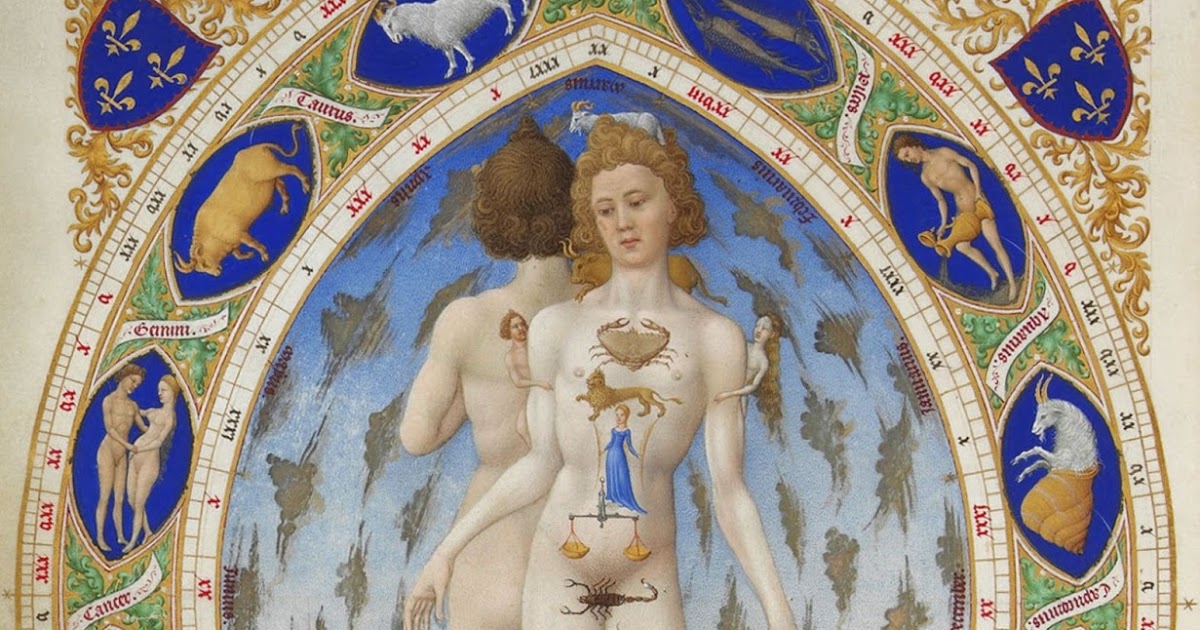
By the 1st century BCE, a new complex system had emerged. It included: the five visible planets (Mercury, Venus, Mars, Jupiter, and Saturn); the Sun and Moon; twelve zodiac signs; twelve places (houses); and the aspects, or angular relationships, between celestial bodies.

Why “Hellenistic”?
The earliest surviving horoscopes from this era were written in Greek. Although astrology drew on Mesopotamian and Egyptian traditions, Greek became the common language for recording and spreading this knowledge. That’s why historians call it Hellenistic astrology.
Conclusion of the horoscope for Anubion, with coronis in the left margin / British Library, Creative Commons
This period marks the birth of astrology in the form closest to what we recognize today: not just a set of omens, but a structured system combining science, philosophy, and spirituality.
What began as a way to read signs for kings and empires eventually became personal, guiding individuals through their own life journeys. The blending of Mesopotamian record-keeping, Egyptian sky-mapping, and Greek philosophy and science created a tradition that has lasted for centuries.
Although in the BPH collection astrology itself does not take a major part, history shows that in many other fields — such as medicine and religious mysteries — astrological ideas were woven into broader systems of knowledge. This reminds us that astrology was not an isolated practice, but part of the cultural fabric that influenced how people understood both the heavens and human life.

Written by
Charlotte Zhu
Charlotte Zhu manages the Amsterdam Antiquarian Bookstore and is a candidate at the University of Amsterdam. Her research focuses on the cross-cultural transmission of ancient astrological texts.

.avif)