

.svg)
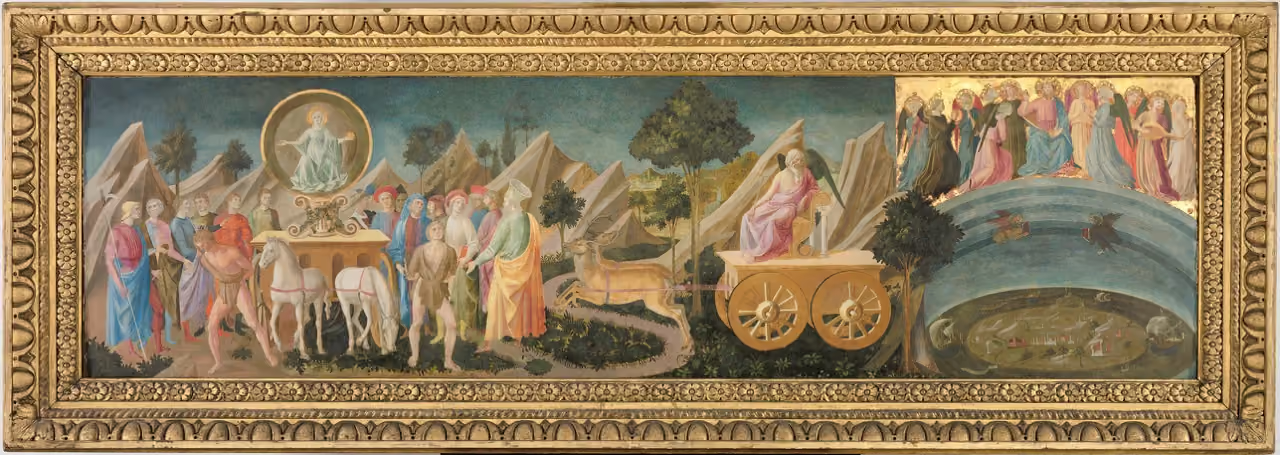
Francesco Pesellino, The Triumphs of Fame, Time, and Eternity, about 1450. Isabella Stewart Gardner Museum.


From the Editor
Hail! Warm greetings from the old book room on a beautiful sunny Spring day here in Amsterdam.
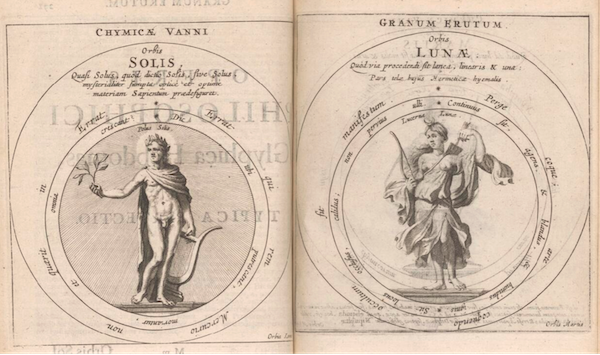
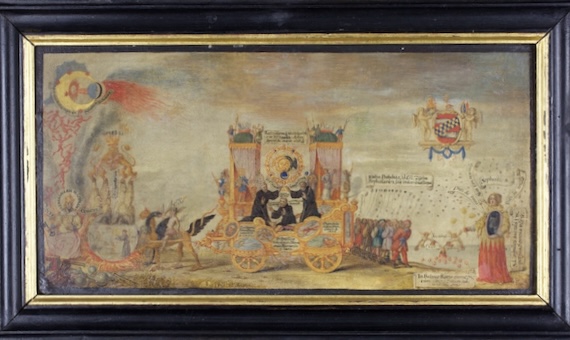
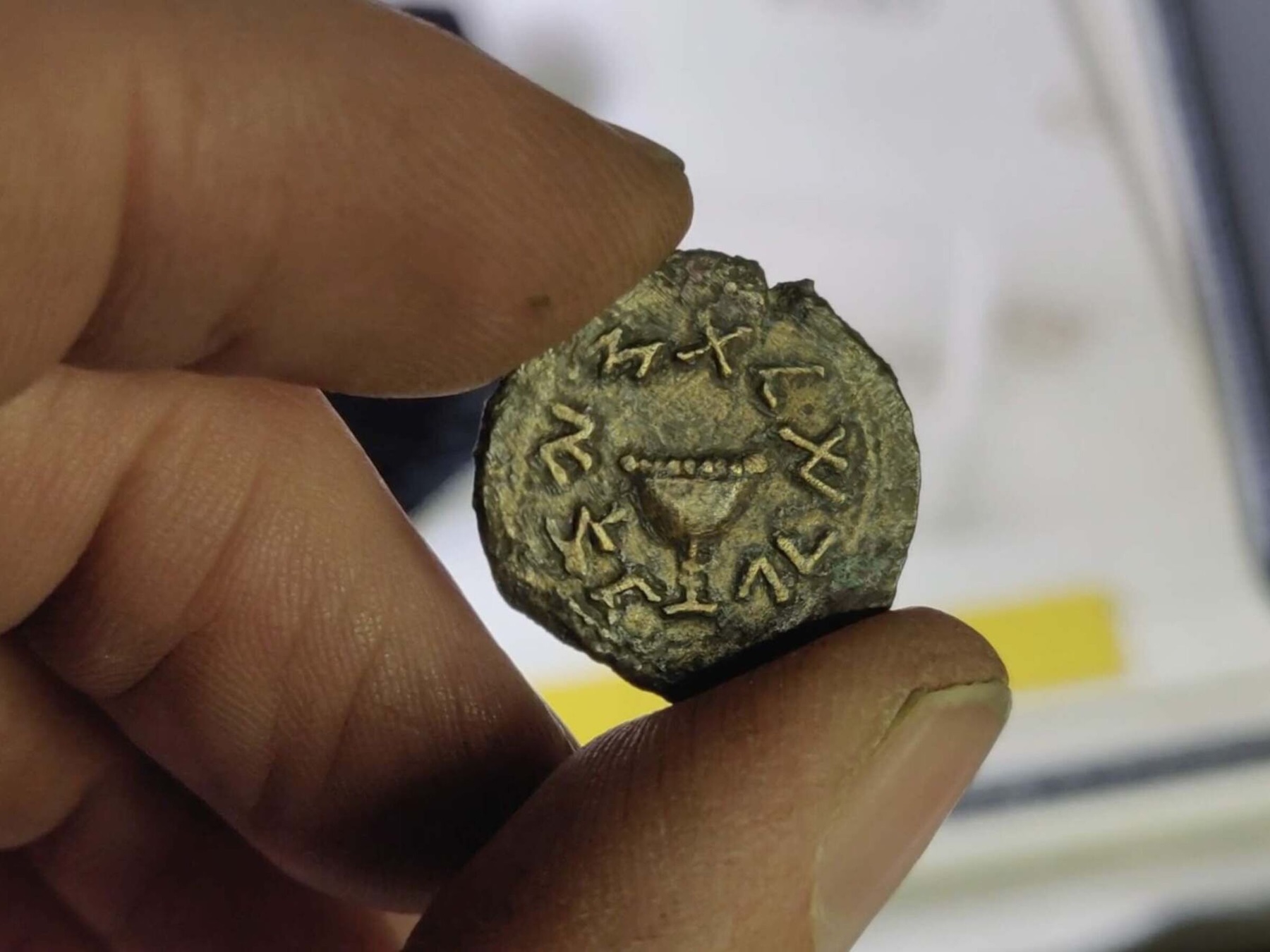
We begin this month – well, in the beginning! – with Kyra’s piece, which concerns the Hebrew construction of the phrase ‘In the beginning’ and some of its mystical and more controversial interpretations… José follows with a wonderful piece which sheds light on an alchemical and magical painting hanging in our old book room, which has been part of our collection for 25 years, and about which there is almost nothing known about it – until now! My (Corey’s) piece concerns a beautiful sequence of alchemical and mythological engravings which appear in a magnificent book printed in Amsterdam in 1666.
If then you do not make yourself equal to God, you cannot apprehend God, for like is known by like. Leap clear of all that is corporeal and make yourself to a like expanse with that greatness which is beyond all measure. Rise above all time, and become eternal. Then you will apprehend God. Think that for you too nothing is impossible, deem that you too are immortal, and that you are able to grasp all things in your thought. To know every craft and every science. Find your home in the haunts of every living creature – make yourself higher than all heights and lower than all depths. Bring together in yourself all opposites of quality, heat and cold, dryness and fluidity.
Think! That you are everywhere at once: on land, at sea, in heaven. Think that you are not yet begotten. That you are in the womb. That you are young. That you are old. That you have died. That you are in the world beyond the grave. Grasp in your thought all this at once, all times, and all places, all substances and qualities, and magnitudes together. Then you can apprehend God.
- Corpus Hermeticum Book 11:20, written c. 100-300 CE in Roman Egypt. For full translation of CH, see Brian P. Copenhaver, Hermetica: The Greek Corpus Hermeticum and the Latin Asclepius (Cambridge University Press, 1992), p. 41.
In This Edition
Each issue of the Codex contains a selection of articles written by our contributors, exploring the themes and traditions at the heart of the hermetic world.
Become a Member
Become part of a living community dedicated to free inquiry and the extraordinary legacy of the Bibliotheca Philosophica Hermetica.
Join our community
Unlimited museum entry
Seasonal culture & community event invitations
From
/ year
.svg)

.avif)